
Events
The Australian Lipid Society’s flagship event is the Australian Lipid Meeting (ALM), held biennially. The ALM brings together researchers, clinicians, students, and industry partners working across lipid biology, lipidomics, and lipid biochemistry to share advances, foster collaboration, and shape the future of the field in Australia.
Australian Lipid Meeting 7 & 5th International Lipidomics Society Conference
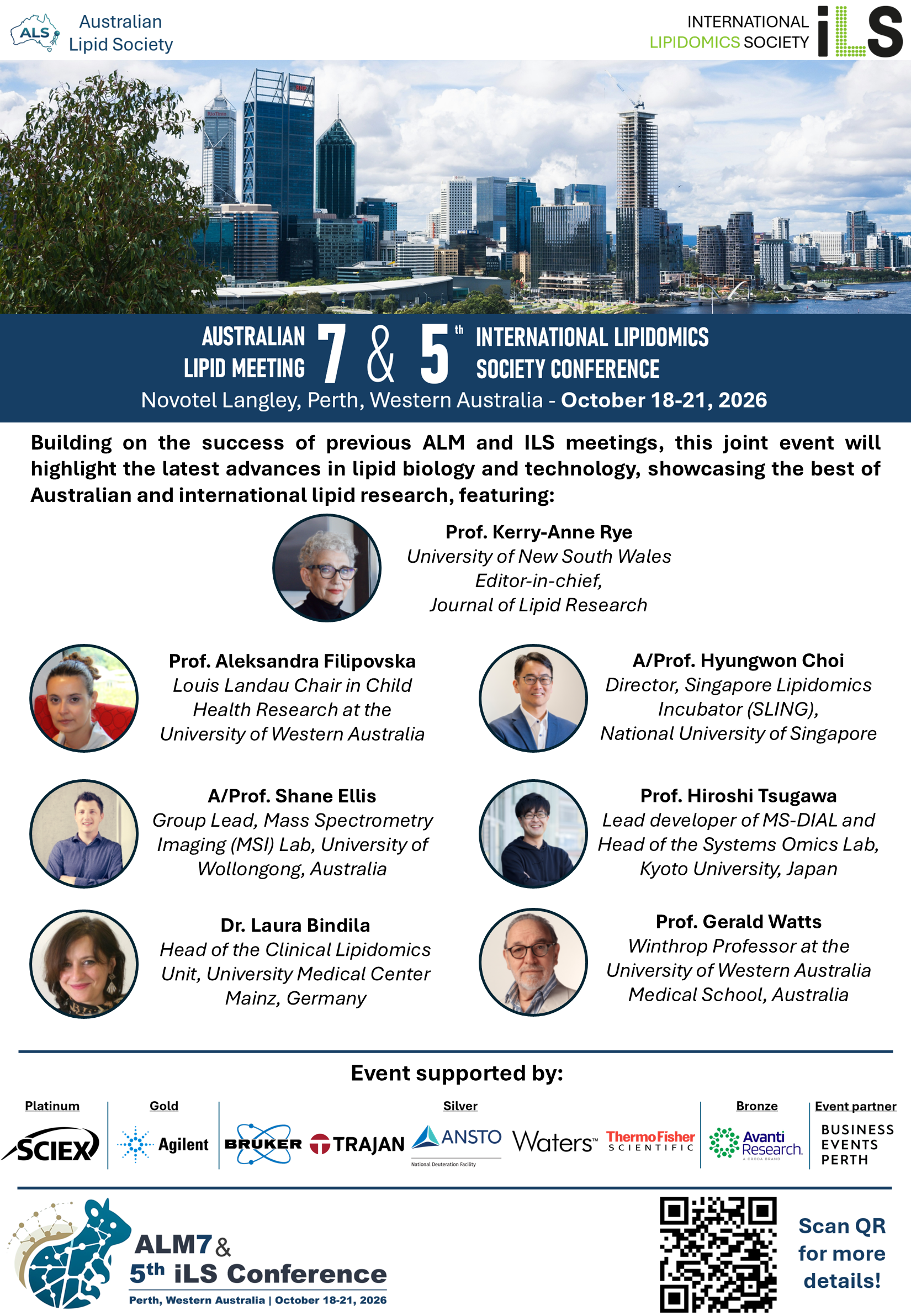
18–21 October 2026 | Novotel Perth Langley, Perth, Western Australia
The Society’s next meeting is a special joint event uniting the Australian Lipid Meeting 7 (ALM7) with the 5th International Lipidomics Society (iLS) Conference. This is the first joint meeting between the two organisations and brings together researchers, clinicians, and industry leaders from around the world.
Scientific Program
The program will feature plenary and keynote speakers, oral and poster presentations, and networking sessions, with topics spanning:
- Clinical lipidomics: from pre-analytics to cohort studies
- Lipids in health and disease
- Translational and precision lipidomics
- Advances in lipidomic technologies
- Lipid imaging and single-cell lipidomics
- AI, computational tools, and data standards for lipidomics
- Microbial and plant lipids in health and biotechnology
- Lipid particles and delivery systems
Invited Speakers
ALM7 & 5th iLS Conference features a distinguished lineup of plenary and keynote speakers, with more to be announced. For the latest speaker updates, see the conference website.
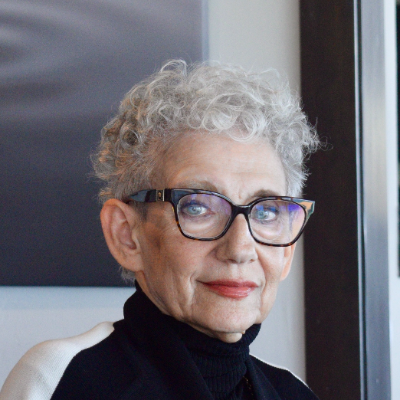
Professor Kerry-Anne Rye
UNSW Sydney, New South Wales
Read bio
Kerry-Anne Rye obtained her PhD from Flinders University of South Australia in 1986 and gained her postdoctoral training at The University of Illinois at Urbana-Champaign. She is a Research Professor, Head of the Cardiometabolic Disease Research Group and Deputy Head of the School of Biomedical Sciences, University of New South Wales. She is Editor-in-Chief of the Journal of Lipid Research and a Senior Guest Editor of The Journal of the American Heart Association Professor Rye is a Past Chair of the American Heart Association ATVB Council and Immediate Past-Chair of the American Heart Association ATVB Council Nominations Committee.
Professor Rye co-leads the Cardiovascular and Metabolic Disease group with Associate Professor Shane Thomas. The overarching goal of Professor Rye’s research program is to improve understanding of the causes of heart disease (atherosclerosis) and diabetes and to develop novel strategies for treating both diseases. Professor Rye studies signal transduction pathways in multiple cell types (macrophages and endothelial cells for heart disease and pancreatic beta cells and skeletal muscle cells for diabetes) and works with novel animal models and state-of-the-art imaging techniques to identify new therapeutic targets for atherosclerosis and diabetes. She was the first to report that the atheroprotective high density lipoproteins (HDLs) in human plasma inhibit inflammation in coronary arteries, and that HDLs also have anti-diabetic properties.
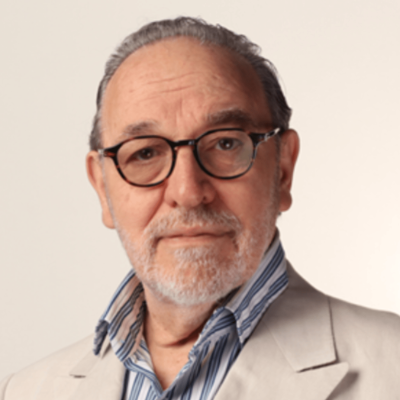
Professor Gerald Watts
University of Western Australia / Royal Perth Hospital, Perth
Read bio
Professor Gerald Watts is the Winthrop Professor of Cardiometabolic and Internal Medicine at the University of Western Australia and Senior Consultant Physician at the Royal Perth Hospital. He trained at Imperial and King’s Colleges in the University of London and was a scholar at Wolfson College, Oxford University. Research interests include lipid disorders, obesity and cardiovascular prevention, and clinical interests focus on delivering improved care for FH and related conditions. Professor Watts is actively involved in teaching and supervises several MD and PhD students and post-doctoral fellows. He has authored over 730 published works and is on the editorial board of Atherosclerosis, Metabolism, Journal of Clinical Lipidology, American Journal of Preventative Cardiology, Current Opinion in Lipidology, and Current Opinion in Endocrinology and Diabetes.
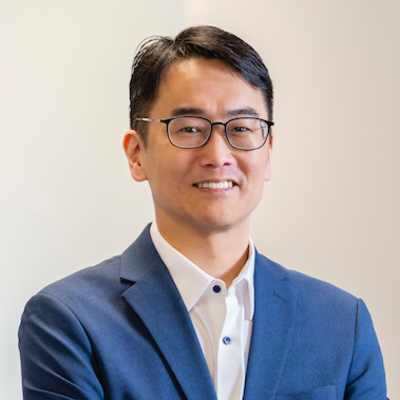
Associate Professor Hyungwon Choi
National University of Singapore
Read bio
Dr. Choi was trained as computational biologist with doctoral and post-doctoral training in University of Michigan Ann Arbor, USA. He joined NUS faculty in 2011 and is currently associate professor in the Department of Medicine. He serves as the chair of Cardiovascular-Metabolic Disease Translational Research Programme in Yong Loo Lin School of Medicine and the director of Singapore Lipidomics Incubator in Life Sciences Institute at the university. In his early career his main research area included protein-centric analysis of genomic and transcriptomic data in large-scale clinical studies, network-driven integration of multi-omics data, and bioinformatics workflow development for raw mass spectrometry data processing in targeted and untargeted metabolomics and lipidomics. His most recent research expands into the implementation of deep learning algorithms in cheminformatics research and state-of-the-art statistical computing for ultrahigh-dimensional multi-omic data integration. During the fifteen years in NUS, his team has developed innovative data analytic approaches to parse signals from mass spectrometry-based proteomics and metabolomics data, describe cellular dynamics in terms of protein abundance, modifications, and interaction, and derive accurate measurements of small molecules. Leveraging on these diverse capabilities, his team has led data generation and analysis in multiple clinical biomarker studies in type II diabetes, diabetic complications, cardiovascular disease, and cognitive decline and other aging-related diseases conducted in Singapore.
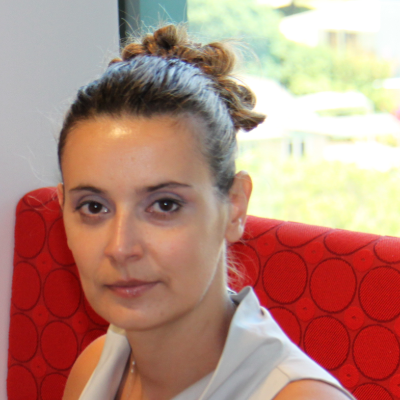
Professor Aleksandra Filipovska
University of Western Australia / Telethon Kids Institute, Perth
Read bio
Professor Aleksandra Filipovska is a NHMRC Investigator, Louis Landau Chair in Child Health Research at the University of Western Australia and The Kids Research Institute Australia in Perth and a Deputy Director of the ARC Centre of Excellence for Synthetic Biology. She received her PhD from the University of Otago, New Zealand and she was a NZ Foundation for Research, Science and Technology Fellow at the MRC Mitochondrial Biology Unit in Cambridge, the United Kingdom. Her group focuses on the regulation of gene expression by RNA-binding proteins and lipid metabolism in models of disease and multi-omic technologies to elucidate their molecular functions. She develops treatments for mitochondrial, metabolic and cardiovascular diseases. Aleksandra is an elected fellow of the Australian Academy of Health and Medical Sciences.
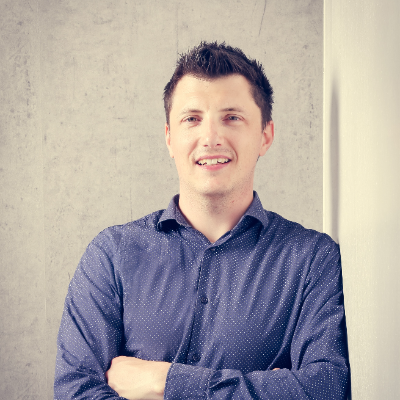
Associate Professor Shane Ellis
University of Wollongong, New South Wales
Read bio
Shane Ellis received his PhD in 2013 from the University of Wollongong, followed by a postdoctoral position at FOM-AMOLF in Amsterdam where he worked on developing active pixel detectors from CERN for mass spectrometry and ion mobility applications. In 2014, he joined the Maastricht MultiModal Molecular Imaging Institute (M4I) as an Assistant Professor, leading the instrument development group for mass spectrometry imaging. Key innovations from his group included isomer-resolved lipid imaging, parallelised MS/MS combined with MSI, and the first demonstration of MALDI-2 on Orbitrap systems. In 2020, he returned to the University of Wollongong as an ARC Future Fellow, and now holds a Mid-Career Industry Fellowship. His research continues to develop and advance next-generation MSI technologies and their application to spatial lipidomics and single-cell lipidomics.
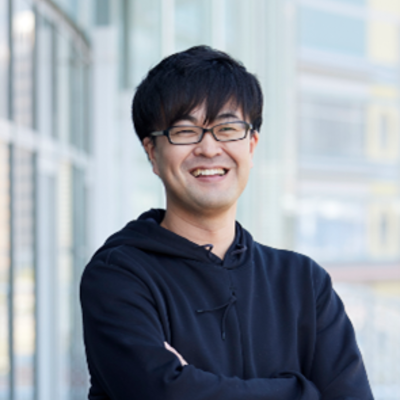
Professor Hiroshi Tsugawa
Tokyo University of Agriculture and Technology / RIKEN, Japan
Read bio
Hiroshi Tsugawa is a Professor at the Graduate School of Pharmaceutical Sciences, Kyoto University. He is a researcher in metabolomics, lipidomics, and mass spectrometry–based bioinformatics, with a strong focus on developing computational methodologies to decipher the complexity of metabolic systems. Dr. Tsugawa is best known as the lead developer of MS-DIAL, one of the most widely used open-source platforms for untargeted metabolomics and lipidomics. His contributions have significantly advanced the field by enabling high-throughput, high-accuracy annotation of small molecules from mass spectrometry data. His software and methodological papers have been cited extensively, supporting a global community of researchers in systems biology, analytical chemistry, and biomedical sciences.
He received his Ph.D. in Biotechnology from Osaka University in 2012 and subsequently conducted postdoctoral research at RIKEN, where he developed foundational technologies in computational metabolomics. He later served as Associate Professor and Professor at Tokyo University of Agriculture and Technology before moving to Kyoto University in April 2026. His research integrates analytical chemistry, bioinformatics, and biology to uncover metabolic diversity and its functional roles in health and disease. He has contributed to major international efforts in metabolomics data standardization and FAIR data principles, including activities in the International Metabolomics Society.

Dr Laura Bindila
Head of the Clinical Lipidomics Unit, University Medical Center Mainz, Germany
Read bio
Laura Bindila received her PhD in Physics in 2006 with Summa cum Laude from Babes-Bolyai University, Clubj Napoca, Romania. She carried out her PhD project and postdoctoral phase at the Institute for Medical Physics and Biophysics Münster, where she focused on development and application hyphenated mass spectrometry methods for glycolipids analysis. She then took a scientist position at the Clinical Proteomics Laboratory at the Center for Public Research in Luxembourg where her she focused on glycoproteomics. Since 2012 she is heading the Lipidomics research group and the Lipidomics Core Facility which she established in 2015 at the Institute of Physiological Chemistry, University Medical Center of Mainz. Her research is focused on the lipid signalling and lipidome dynamic with diseases in particular in cardiovascular, infections and neurological diseases. Since 2020 she is PI at the Mainz Research Center Mass Spectrometry (DIASyM). She also serves as PI at the TransMed program and DZHK. Since 2020 she acts as Editor for Rapid Communication in Mass Spectrometry. Since 2006, she has been a member of the organising committee and a lecturer at the School for Mass Spectrometry in Biotechnology and Medicine.
Key Dates
- Oral abstract submission deadline: NOW CLOSED
- Early-bird registration closes: NOW CLOSED
- Conference: 18–21 October 2026
Registration and Abstracts
Registration and abstract submission are managed through the conference platform. Members of the International Lipidomics Society may be eligible for an additional discount — contact the iLS Secretary for details. Delegates from low- and middle-income countries may qualify for LMIC pricing.
Register or submit an abstract → NOW CLOSED
Travel Awards
The iLS Early Career Travel Award supports students and early-career researchers in attending the conference, with individual grants of up to €2,000 to help cover travel, accommodation, and registration. Applicants must be iLS members.
Learn more about the iLS Early Career Travel Award → NOW CLOSED
Venue
Novotel Perth Langley, 221 Adelaide Terrace, Perth WA 6000. A centrally located venue with easy access to public transport, dining, and accommodation. Note: there is a separate Novotel on Murray Street nearby — this is not the conference venue.
For full conference details — program, speakers, sponsors, accommodation, and contact — visit the conference website.
Future Meetings
Future Australian Lipid Meetings will be announced through this page and the Society’s announcements. Members are notified directly by email.